
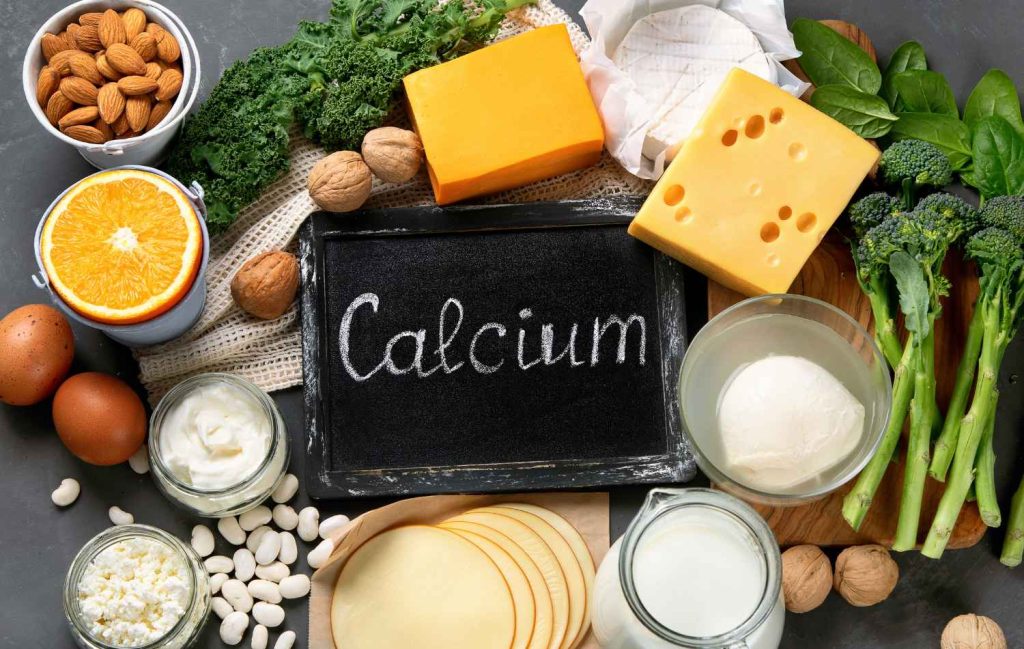
Have you ever thought about the secret behind strong bones and radiant, youthful skin? It's calcium, an essential mineral, tirelessly working behind the scenes to maintain and enhance our health. Most of us might have been aware of its importance since our childhood, when our parents cajoled us to finish that glass of milk, but do we really know how fundamental it is in our daily lives?
Join us as we journey into the world of calcium, discovering its numerous benefits, understanding our daily requirements, exploring diverse food sources, confronting the health challenges posed by calcium deficiency and finally, delving into the realm of calcium supplements. It's surprising, fascinating, and most importantly, crucial information that just might be the key to unlock a healthier, stronger body.
What are the daily calcium requirements?
The significance of calcium in our bodies should not be underestimated. As a key mineral, it is crucial for sustaining the health and vitality of our bones and teeth, while also playing a major role in cardiac function and muscle contractions. Calcium is indeed the building block that aids us in standing tall and shining our radiant smiles.
The daily calcium intake varies across different age brackets and genders. For instance, adult men and women between the ages of 19 and 50 should strive to consume 1000 mg of calcium daily. For women over 50 and men over 70, this requirement increases to 1200 mg per day. It's noteworthy to mention that pregnant and nursing women have distinct requirements and should therefore seek individualized medical advice.
Falling short of these recommended targets can present a host of risks. People deficient in calcium may experience decreased bone density, which can lead to both fractures and osteoporosis. Moreover, a lack of calcium can disturb the normal rhythm of the heart and negatively affect muscle function. Therefore, it's certainly wise to meet these requirements, highlighted in the following sections of the article, which will discuss good sources of calcium and supplements that can ensure you're getting enough.
Good Sources of Calcium
Calcium is an indispensable nutrient known for its significant role in maintaining bone health. While supplements can help to reach the daily calcium requirements, it's generally preferable to obtain this essential mineral through the food we eat.
Dairy products, often being the first food group that comes to mind, are indeed a rich source of calcium. Items such as milk, cheese, and yogurt are all high in calcium, with a single cup of milk fulfilling nearly 30% of our daily needs. However, dairy is not the only good source of calcium.
Non-dairy Sources of Calcium
Leafy green vegetables like kale and spinach, nuts such as almonds, and seeds like sesame or chia, are all excellent non-dairy options for calcium. For those who prefer a more savory approach, sardines, salmon, and tofu bring both calcium content and protein value to the table. You would indeed be surprised by the calcium content in a small can of sardines!
Moreover, certain foods and drinks are fortified with calcium. These include some varieties of bread, juice, and breakfast cereals. On the other hand, remember that pairing these calcium-rich food sources with vitamin D, which helps in calcium absorption, can boost the benefits of your healthy diet, for instance, through enjoying a walk under the sun or consuming fatty fish and egg yolks.
To ensure you're taking in enough essential nutrients, consider incorporating some of these calcium-rich foods into your daily meals and snacks. Additionally, looking forward to our next topic, remember that if you're struggling to fulfill your daily calcium requirements, supplements could be a beneficial choice, which we'll discuss in more detail.
Health Issues with Calcium Deficiency
Just as a building needs a strong foundation to withstand various environmental pressures, so does our body require a substantial amount of calcium to sustain its physiological operations. The repercussion of inadequate calcium intake is the onset of several health disorders.
Osteoporosis: Calcium and Bone Health
One prominent issue that can surface from calcium deficiency is osteoporosis. This condition amplifies the brittleness of bones, thus making them more susceptible to fractures. Osteoporosis is particularly common among postmenopausal women, who are advised to regularly monitor their calcium levels to avert this ailment.
The Increase of Muscle Cramps and Weak Teeth
Moreover, calcium deficiency can lead to persistent muscle cramps. As our muscles require calcium for contraction, inadequate calcium can disrupt this process resulting in frequent cramps. Additionally, calcium plays a crucial role in maintaining robust dental health. A diet lacking sufficient calcium can lead to weak teeth and gum diseases.
In short, when our bodies lack the necessary amount of calcium, the consequences manifest in the form of various health issues. Therefore, ensuring ample calcium intake is crucial not just for the health of our bones and teeth, as discussed in the previous sections, but for overall well-being. It is also worth noting that susceptibility to calcium deficiency can be influenced by numerous factors, including age, gender, and lifestyle habits.
In the following section, we will delve into the advantages of calcium supplements, which can be an efficient method to fulfill our daily calcium requirements when dietary intake is not adequate.
Calcium Supplements
Meeting one's daily calcium requirements can become a challenge due to lifestyle constraints or dietary limitations. This is where calcium supplements prove beneficial, bridging the gap between dietary intake and required calcium levels. Available in multiple forms like tablets, capsules, and chewables, these supplements cater to individual preferences and needs.
Calcium supplements, such as those offered by the amorphous calcium brand, are engineered with high absorption capabilities. However, it's paramount to note that even though supplements are readily available, they're not a substitute for a balanced diet. They work best in conjunction with calcium-rich foods rather than as standalone calcium sources.
Healthcare consultation is vital before starting any supplement regimen. The dosage and schedule should be guided by a professional to avoid unwanted side effects like kidney stones or heart disease. It's also crucial to choose supplements that are tested for purity and potency, ensuring safe and effective consumption.
In conclusion, while food sources should be your first resort, calcium supplements are an effective alternative for those who struggle to meet their calcium intake.
For more information, you can visit the website: https://amorphous-calcium.com